If you prefer to listen to this post, an audio version is available here…
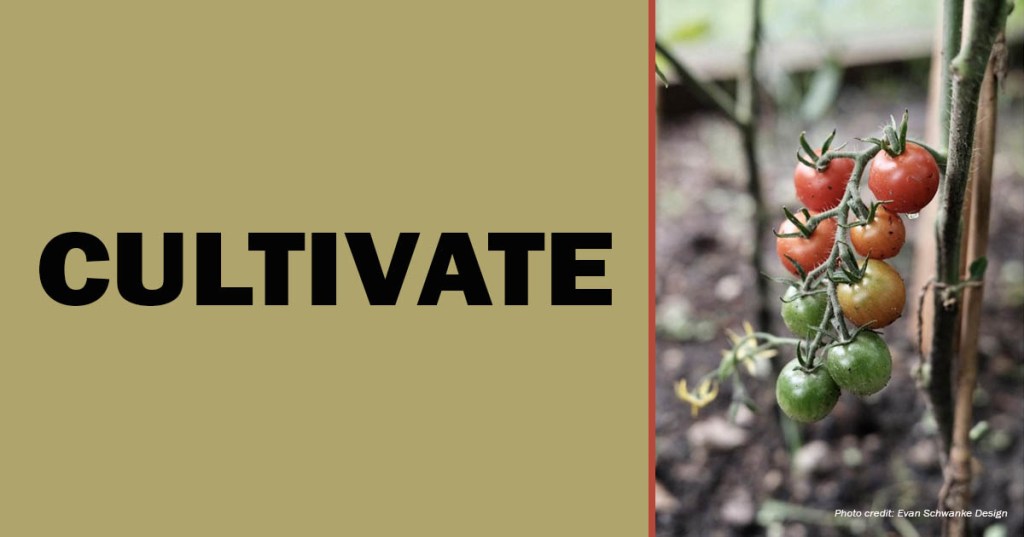
As Spring quickly transitions to Summer, I see the nearby community garden come robustly alive. I watch my neighbors-turned-gardeners remove weeds, reposition plants that need more space, pinch away lower leaves to strengthen upward growth, add fertilizers and more. In short, I see them cultivate their gardens to maximize the likelihood of a plentiful and hardy harvest.
Cultivating means so much more than just growing something. It includes preparation and work for its growth and tending to it as it gains strength and blossoms. This requires time, attention, and care.
In our workplaces, we hear people wanting to cultivate ideas, cultivate potential leaders, cultivate collegial relationships, etc. This is appropriate. Ideas, people, and relationships can and should be cultivated – meaning, we should give them our time, attention, and care.
What all-too-often happens, though, is we come up with an idea and spring into action to realize it. We send emerging leaders to a workshop and expect them to lead flawlessly right away. We have one performance management conversation and think we are finished until review time comes around again. We may know, logically, that things will not be fully successful in these rushed ways, yet we do it again and again.
I understand the urge to plunge in, get going, and make things happen, especially in our workplaces. It feels like the world is moving faster while time is getting shorter, and goodness knows I like to check things off my ever-expanding “To Do” list.
And then I walk by the garden again, and I am reminded that growth toward intended outcomes requires cultivation. A gardener can’t plant a seed today and get a tomato from that plant tomorrow. Nor can they simply plant the seed, leave it, and come back in three months guaranteed to find a bounty of heathy tomatoes.
A part of the problem may be, though, that an unattended seed might well grow to produce tomatoes, and we point to that as success. We rarely stop to consider if the plant may have provided more or bigger or meatier tomatoes had we cultivated it properly.
I invite you to consider how your ideas, skills, relationships and more might be richer, more impactful, more meaningful if you give them even just a little more time, attention, and care. If you truly cultivate them – think of the possibilities.


Leave a Reply